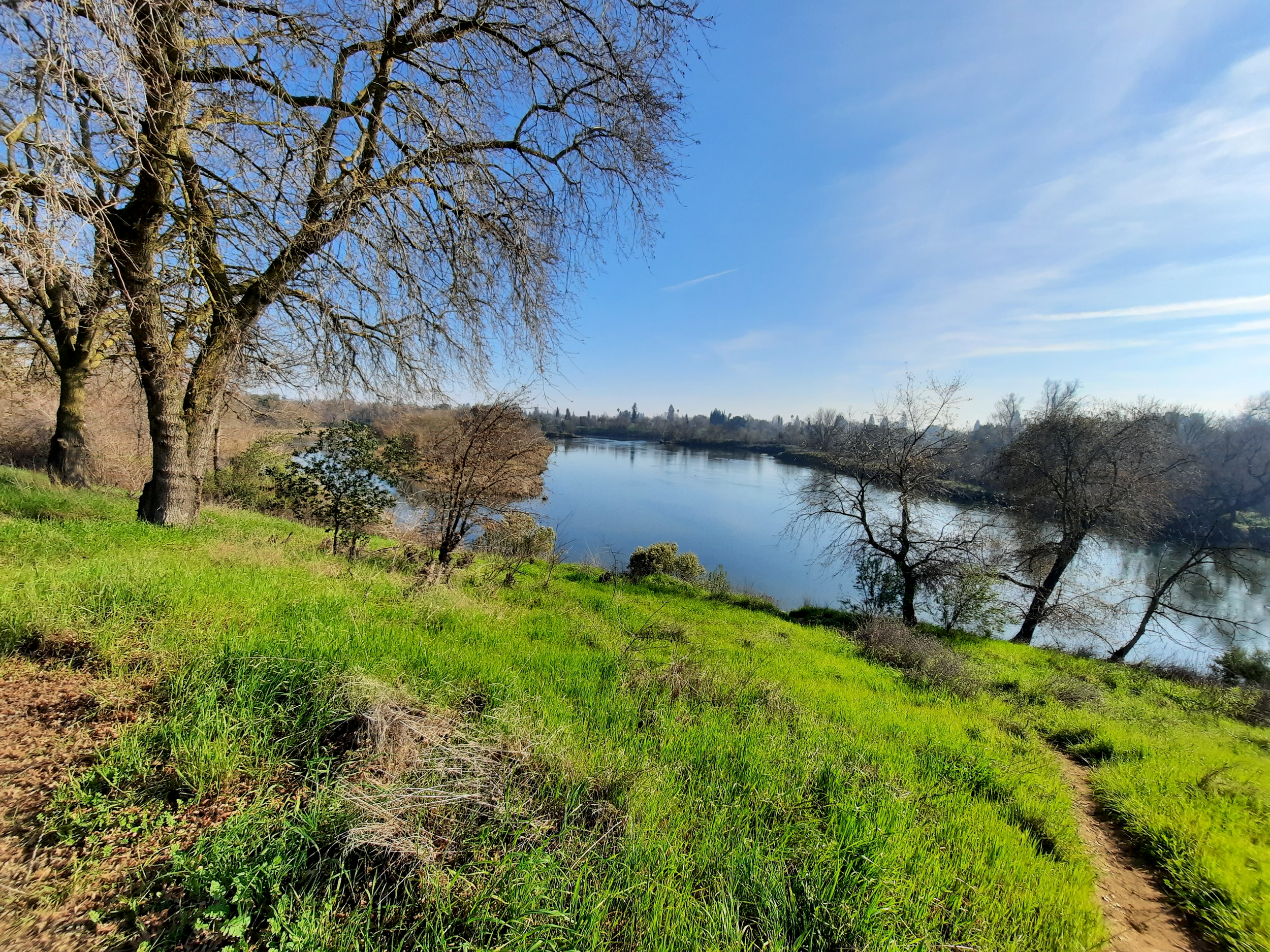
PROTECTING THE HEALTH AND WELL-BEING AND SAFETY OF PEOPLE, PLANTS, WILDLIFE, THE LOWER AMERICAN RIVER AND THE AMERICAN RIVER PARKWAY
San Juan Unified School District’s Rio Americano campus is the only high school in the country that has a designated Wild & Scenic River steps from its campus, students and classrooms. It is a privileged position for any school district and stewardship is mandated.
THIS IS THE WRONG LOCATION FOR A LARGE SCALE SPORTS AND EVENT STADIUM
Rio Americano High School sits immediately adjacent to the American River Parkway, home to the only federal and state-designated Wild & Scenic River flowing through a major U.S. metropolitan area. The San Juan Unified School District’s (District)intended 2,500 seat high intensity sports and event stadium at Rio Americano will introduce permanent stadium lighting, amplified sound system, and other intrusive structures including an elevated climate controlled press box, 90-foot cell tower and increased traffic impacts all just steps from the Parkway and on public streets.
“Keep it Dark” - “Keep it Quiet” - “Keep it Wild”
Area Supports Significant Habitat and Special-Status Species
The District’s multiple planned projects at Rio Americano High School are steps away from—and directly alongside—a critical stretch of the designated Wild & Scenic Lower American River and American River Parkway (Parkway). This area of the Parkway is Identified as an essential wildlife corridor. The Parkway is home to several special-status species of wildlife including the Valley Elderberry Longhorn Beetle (VELB), Bald Eagle, Swainson’s Hawk, Northern Yellow Warbler, Bank Swallow, Yellow-Billed Magpie, and nesting raptors such as White-tailed Kite, Great-Horned owl, American Kestrel, Osprey, and Red-Shouldered Hawk.
Nighttime Along the River and Parkway is Vital to Wildlife
The wildlife that Parkway users enjoy depends on quiet and darkness to survive. Parkway sunset hours exist to protect wildlife—and people.
“Nocturnal animals sleep during the day and are active at night. Light pollution radically alters their nighttime environment by turning night into day. According to research scientist Christopher Kyba, for nocturnal animals “the introduction of artificial light probably represents the most drastic change human beings have made to their environment.”
“Predators use light to hunt, and prey species use darkness as cover,” Kyba explains. “Near cities, cloudy skies are now hundreds or even thousands of times brighter than they were 200 years ago. We are only beginning to learn what a drastic effect this has had on nocturnal ecology.”
- DarkSky International
Stadium Noise and Lighting Would Intensify Existing Impacts on People, Plants and Animals
Increasingly, careful consideration of the impacts of human-generated noise on wildlife is an indispensable component of management for healthy ecosystems in our parks.
The intended stadium’s close proximity to the Wild & Scenic Lower American River Parkway would bring frequent high-volume crowd activities, cheering from thousands of attendees, amplified sound, loud music, and bright nighttime lighting (sky glow) steps away from vulnerable Parkway resources.
Existing noise and light pollution from activities at Rio Americano already affect the river corridor, impacting Rio’s neighbors, wildlife, Parkway users, visitors and neighbors on both sides and up and down the River.
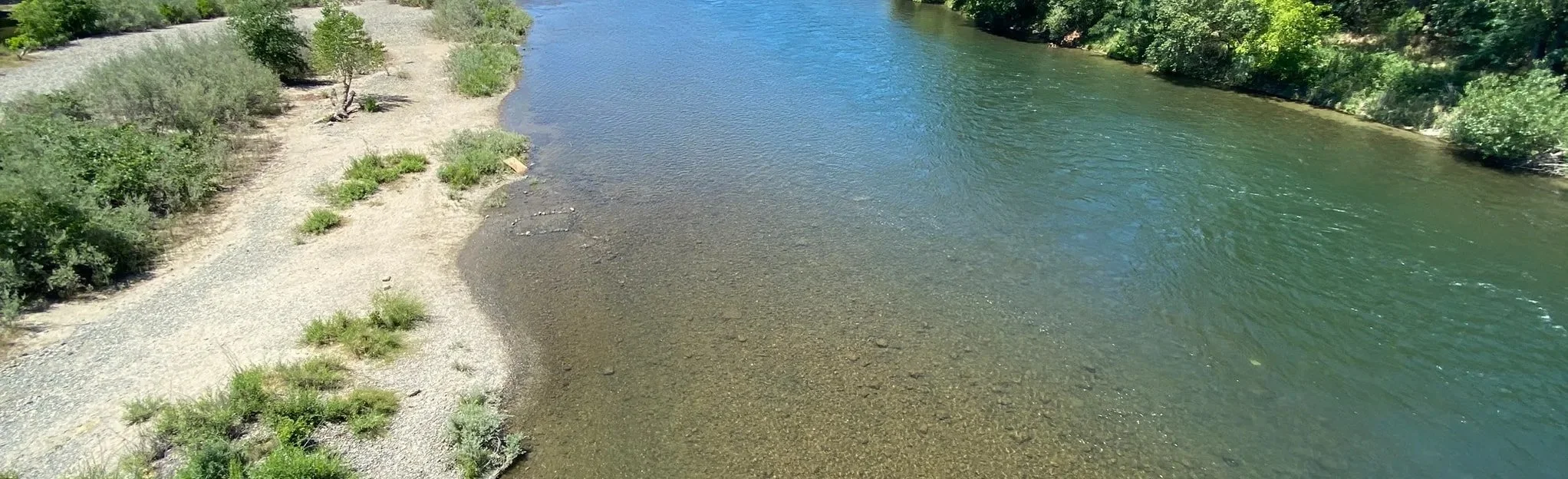
Wild & Scenic Rivers Act
“It is hereby declared to be the policy of the United States that certain selected rivers of the Nation…shall be preserved in free-flowing condition, and that they and their immediate environments shall be protected for the benefit and enjoyment of present and future generations.”
“It is the policy of the State of California that certain rivers which possess extraordinary scenic, recreational, fishery, or wildlife values shall be preserved in their free-flowing state, together with their immediate environments, for the benefit and enjoyment of the people of the state.”
“Today Only about 12,000 miles of rivers are protected as Wild & Scenic. That’s less than 1 % of rivers in the US”
This is just one of many reasons that make the Lower American River so unique and must be protected for future generations. The Lower American River does not belong to the District…..it belongs to the people of Sacramento, California and the Nation.
The San Juan Unified School District intends to construct permanent stadium lighting, that would include four light poles as tall as 100 feet each, amplified sound system, bleachers accommodating up to 2,500 spectators, (A 768% INCREASE OVER THE EXISTING 288 BLEACHER SEATS), elevated climate controlled press box. The District’s also intends to refurbish and enlarge the swimming pool, and construct a 90-foot cell tower and new tennis courts — proposed to be placed directly adjacent to the Parkway. Such development threatens the Parkway’s tranquil character, wildlife habitat, and surrounding communities through increased noise, lighting, traffic, and visual impacts.
Parkway users, advocates and stakeholders are deeply concerned about the significant and unavoidable impacts from a high intensity outdoor sports and event stadium at Rio Americano, which is located steps from the American River Parkway.
The District’s proposal(s) affect far more members of the public than those currently notified. Everyone deserves to be informed, heard, and meaningfully included in decisions that threaten this irreplaceable natural resource.
The American River Parkway is a local, state, and national treasure. It includes the only river in the United States that is both a federal and state-designated Wild & Scenic, flowing through a major metropolitan area. The Parkway is home to hundreds of plant and wildlife species, diverse recreational opportunities, and is ours not only to enjoy, but to protect and preserve for generations to come.
With approximately 8 million visits each year, the Parkway is also a major economic asset, generating an estimated $364 million annually for the Sacramento region. Any threat to the Parkway’s future risks both an irreplaceable natural resource and an important economic engine.
We call for full transparency, meaningful public engagement, and comprehensive environmental review before any project approvals move forward. Decisions affecting the Parkway must prioritize environmental stewardship, community well-being, and public accountability.
IN THE NEWS
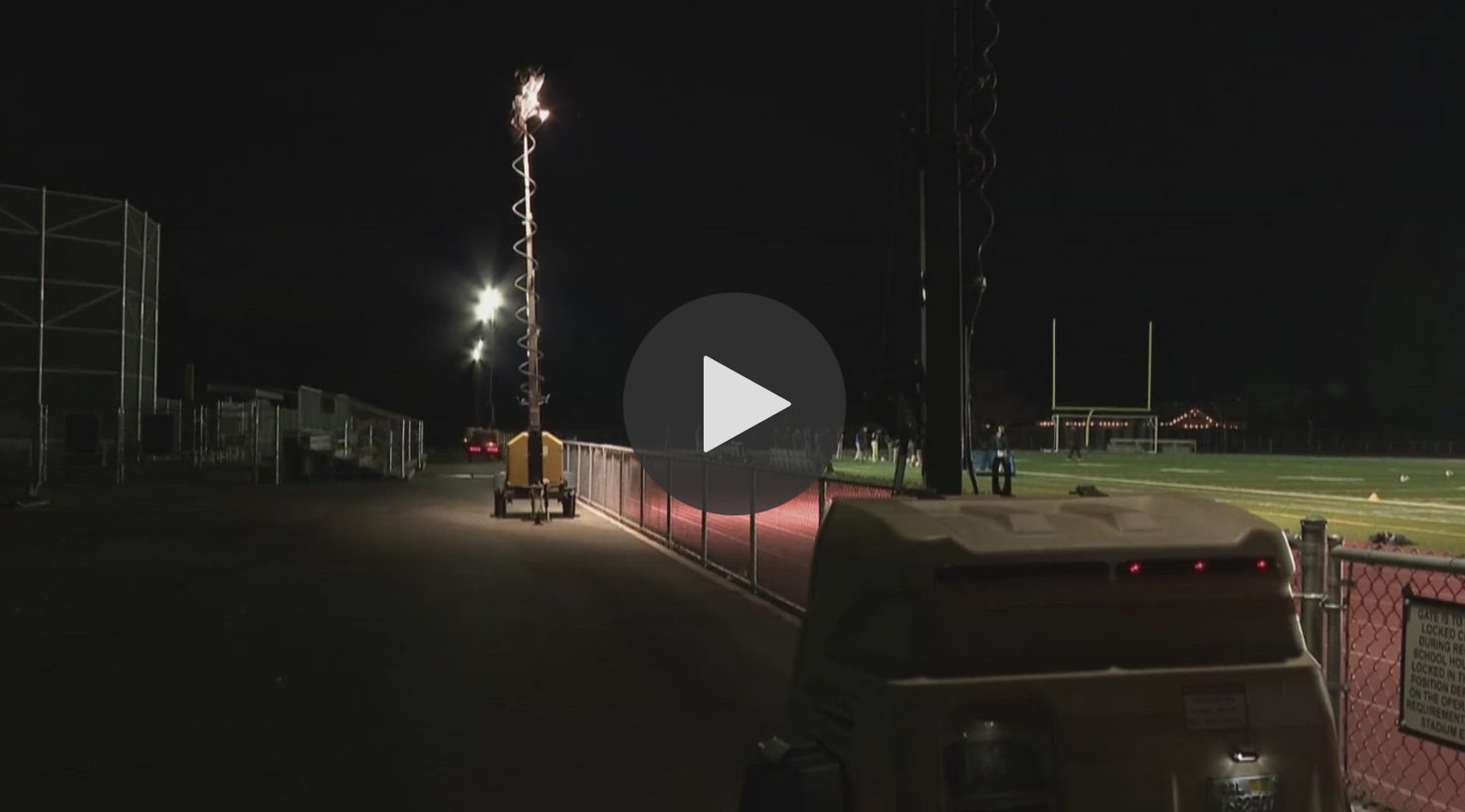
Proposed Rio Americano stadium changes spark environmental debate.
Sacramento's Rio Americano High stadium public comment period ends this week
February 4, 2026 / CBS Sacramento